
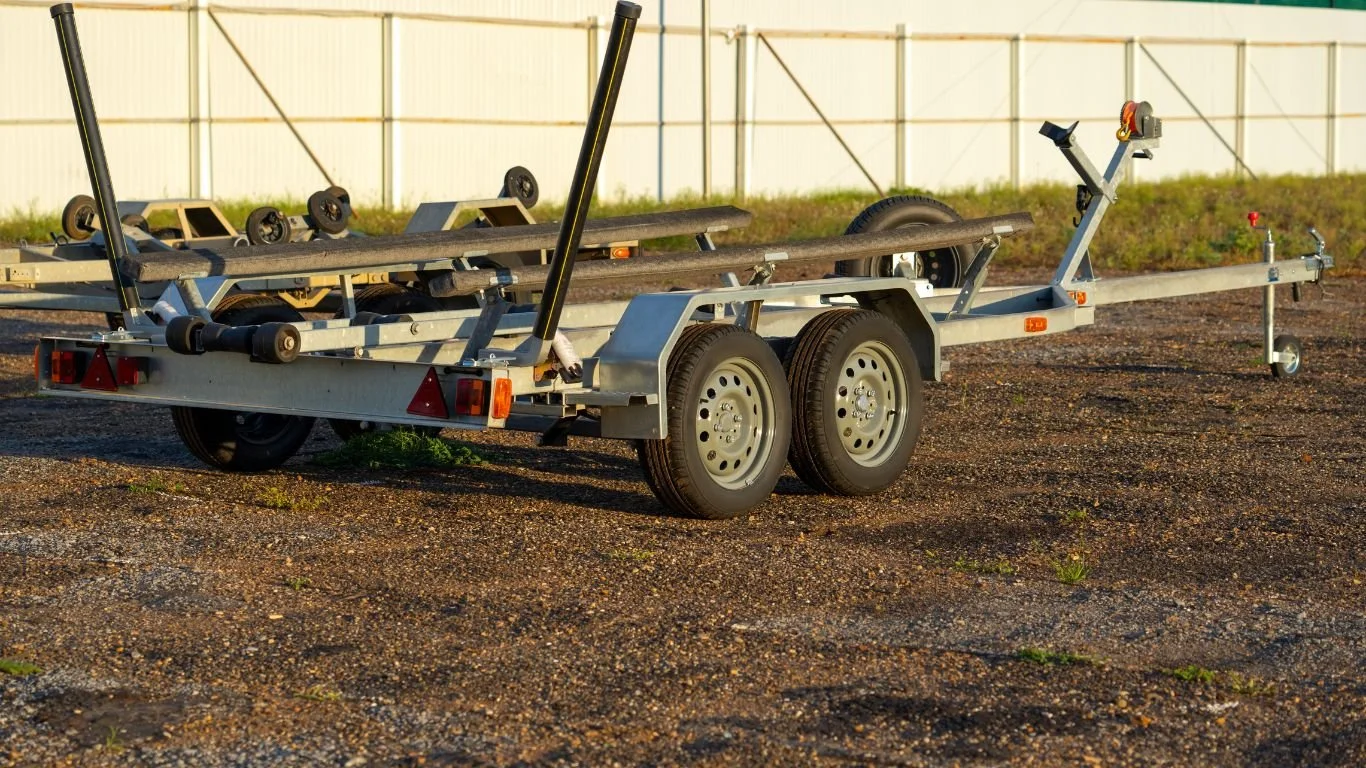
Boat Trailer Maintenance Guide: Why Regular Maintenance Matters
Routine boat trailer maintenance is about more than preventing mechanical problems, it’s about ensuring safe towing, protecting your boat, and maximizing the lifespan of your trailer. Every trip exposes your trailer to heavy loads, road debris, moisture, and, in many cases, saltwater. Over time, these conditions can cause wear that affects critical components like brakes, tires, bearings, lights, and suspension.
Neglecting trailer maintenance often leads to preventable problems such as roadside breakdowns, corrosion, worn wheel bearings, brake failure, and damaged tires. Small issues that go unnoticed can quickly develop into expensive repairs or dangerous towing situations. Regular trailer maintenance also protects your investment. Boats and trailers represent a significant financial commitment, and maintaining both ensures dependable performance and better resale value. Preventive inspections allow worn parts to be repaired before they fail, helping avoid unnecessary downtime and costly emergency repairs.
Safety is another major reason to follow a maintenance schedule. Properly functioning brakes, tires, lighting, and wheel bearings improve trailer stability and control, particularly during highway driving or long-distance travel. A trailer that’s in good condition is less likely to experience tire blowouts, bearing failures, or lighting problems that could put you and other drivers at risk. Responsible boat ownership includes caring for the trailer that safely transports your boat. By making boat trailer maintenance part of your regular boating routine, you’ll enjoy greater peace of mind every time you head to the water.
Rocket Marine Inc.™ is a direct wholesale manufacturer of galvanized steel and aluminum trailers for boats and other watercraft. Our lineup includes pontoon trailers, sailboat trailers, personal watercraft trailers, skiff trailers, CAT trailers and custom boat trailers. Our premium-quality aluminum personal watercraft trailers are built for performance and longevity. We are your source for watercraft trailers and trailer service.
Learn more trailer maintenance practices by reading our guide below.
Recommended Reading
Essential Boat Trailer Maintenance Checklist
Following a consistent inspection schedule helps identify problems before they become major repairs. While some components only require seasonal servicing, several items should be checked before and after every trip.
Boat Trailer Maintenance Checklist
Tires: Check tire pressure, tread depth, sidewalls, and overall condition. Replace tires showing cracks, uneven wear, or aging rubber.
Brakes: Inspect brake pads, rotors, drums, hydraulic components, and brake lines for corrosion or excessive wear.
Wheel Bearings: Look for leaking grease, unusual noises, excessive heat, or wheel play that could indicate bearing wear.
Lights and Wiring: Test brake lights, turn signals, running lights, and inspect wiring for corrosion or loose connections.
Suspension and Axles: Examine leaf springs, torsion axles, U-bolts, and mounting hardware for cracks, rust, or damage.
Winches and Straps: Inspect winch gears, cables, straps, hooks, and safety chains for wear, rust, or fraying.
Before every trip, perform a quick walk-around inspection to verify that everything is secure and functioning correctly. After returning home, inspect the trailer again for any signs of damage, loose hardware, or unusual wear that may have occurred during travel.
Seasonal inspections before peak boating months are equally important. A thorough spring inspection allows you to address trailer maintenance needs before heavy use begins, reducing the likelihood of breakdowns during boating season. It’s also helpful to keep records of inspections, repairs, tire replacements, and bearing service. A maintenance log makes it easier to stay on schedule while providing valuable service history for future maintenance or resale.
Learn more boat trailer maintenance tips from our boat trailer maintenance guides below.
Recommended Reading
How to Maintain Boat Trailer Bearings, Brakes, and Tires
Some trailer components have a greater impact on safety than others. Wheel bearings, brakes, and tires work together to keep your trailer stable, responsive, and reliable on the road.
Wheel Bearing Maintenance
Wheel bearings support the trailer’s weight while allowing the wheels to rotate smoothly. As wheel bearings are exposed to water and heavy loads, they require regular lubrication and inspection.
Warning signs of bearing problems include:
Excessive hub heat after towing
Grinding or humming noises
Grease leaking from seals
Loose wheels or excessive wheel movement
Bearings should be cleaned, inspected, and repacked according to the manufacturer’s recommendations. Damaged or worn bearings should be replaced immediately to prevent complete bearing failure.
Trailer Brake Maintenance
Trailer brakes are critical for maintaining safe stopping distances, especially when towing larger boats. Regular inspections should include brake pads, rotors, drums, brake lines, hydraulic systems, and actuators.
Ignoring brake problems increases stopping distance and places additional strain on your tow vehicle.
Warning Signs
Reduced stopping power
Grinding or squealing noises
Corrosion on brake components
Uneven brake wear
Tire Maintenance
Trailer tires support tremendous weight and experience constant stress while towing. Maintaining the proper tire pressure improves stability, fuel efficiency, and tire life. Neglecting tires, brakes, or bearings significantly increases the risk of roadside failures and unsafe towing conditions.
Regularly inspect tires for:
Proper inflation
Adequate tread depth
Sidewall cracking
Uneven tread wear
Correct load rating
Learn more boat trailer maintenance tips from our boat trailer maintenance guides below.
Recommended Reading
Protecting Your Boat Trailer From Saltwater and Corrosion
Saltwater is one of the biggest threats to any trailer. Salt accelerates corrosion by attacking exposed metal surfaces, electrical connections, and moving components, making proper boat trailer maintenance especially important for coastal boaters. An ideal trailer maintenance practice is after every saltwater launch, thoroughly rinse the trailer with fresh water. Removing salt deposits helps slow corrosion and protects critical systems from premature wear.
Also pay particular attention to vulnerable areas including axles, brake assemblies, mounting hardware, and electrical wiring and connectors. Regular cleaning should be combined with periodic inspections to identify early signs of rust, corrosion, or damaged protective coatings.
Boaters who frequently launch in saltwater often choose aluminum trailers because aluminum naturally resists corrosion better than traditional steel. While galvanized trailers also provide corrosion protection, aluminum trailers generally require less maintenance in harsh marine environments while offering excellent durability.
Additional preventive measures include lubricating moving components, replacing corroded hardware promptly, and inspecting wiring for damaged insulation or corrosion.
Learn more boat trailer maintenance tips from our boat trailer maintenance guides below.
Recommended Reading
Seasonal Boat Trailer Maintenance Tips
Seasonal maintenance helps prepare your trailer for months of dependable service while reducing wear during periods of storage. Before boating season begins, inspect the trailer thoroughly by checking tire pressure, testing brakes, inspecting wheel bearings, verifying trailer lights, lubricating moving components, and tightening loose hardware. Addressing small maintenance issues before peak boating season reduces the likelihood of unexpected repairs later.
When boating season ends, prepare your trailer for storage by washing away dirt and salt, drying all components thoroughly, protecting exposed metal surfaces, inflating tires to the recommended pressure, and covering or protecting exposed wiring. If the trailer will remain unused for several months, storing it on a level surface and protecting tires from prolonged UV exposure can help extend tire life and reduce flat spotting.
Cleaning and servicing your trailer before long periods of inactivity helps prevent corrosion, electrical problems, and deterioration that often occur during storage.
Learn more boat trailer maintenance tips from our boat trailer maintenance guides below.
Recommended Reading
Signs Your Boat Trailer Needs Professional Service
Even with regular inspections, some trailer issues require professional attention. Recognizing warning signs early helps prevent expensive repairs while improving towing safety.
Signs Your Trailer Needs Service
Uneven tire wear
Grinding or squealing noises
Trailer sway while towing
Brake performance problems
Flickering or non-functioning lights
Excessive bearing heat
Visible suspension damage
Ignoring these problems often allows relatively inexpensive repairs to become much larger mechanical failures. Worn bearings can damage hubs and spindles, while brake issues reduce stopping performance and increase towing risks. Professional technicians can perform comprehensive inspections that identify hidden wear before it causes serious damage.
Learn more boat trailer maintenance tips from our boat trailer maintenance guides below.
Recommended Reading
Professional Boat Trailer Maintenance and Repair Services
While many inspections can be completed by boat owners, professional trailer maintenance provides added confidence that critical systems are operating safely and efficiently. Professional service helps maximize trailer lifespan while ensuring safe towing performance throughout the boating season.
A qualified trailer repair facility should offer services such as:
Brake repair and adjustment
Wheel bearing inspection and replacement
Axle repair and alignment
Tire replacement
Wiring and lighting repairs
Suspension inspections
Complete safety inspections
Rocket Marine provides experienced trailer service. Our maintenance and repair services are designed to keep your trailer road ready. Whether you need routine inspections, bearing service, brake repairs, electrical work, or suspension repairs, our experienced technicians can recommend the right maintenance plan for your trailer.